

Use our Commercial Real Estate Cap Rate Calculator to analyze property income, NOI, and value. Evaluate investment returns quickly with REIF Loans.
Understanding your property’s cap rate is essential for evaluating commercial real estate investment performance.
The Commercial Real Estate Cap Rate Calculator from REIF Loans helps you determine the capitalization rate based on a property’s Net Operating Income (NOI) and current value.
Whether you are analyzing an acquisition, refinance, or sale, this calculator gives you a clear view of yield and risk in seconds.


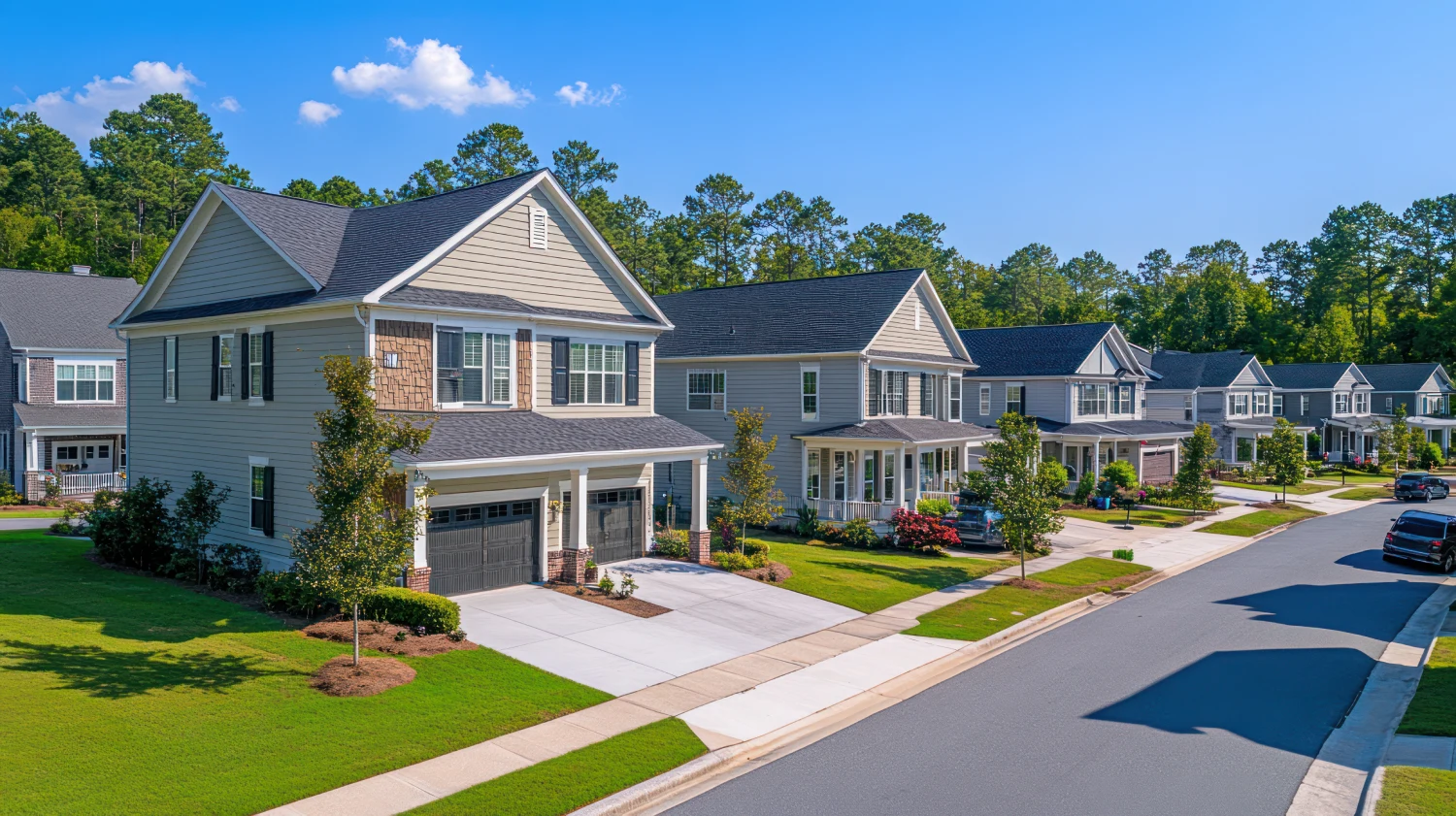

The Capitalization Rate (Cap Rate) is a key metric used in commercial real estate to measure an investment property’s expected rate of return.
It reflects how efficiently a property generates income relative to its market value or purchase price.
Cap Rate Formula:
Cap Rate = (Net Operating Income / Property Value) × 100
Example:
If a property generates $120,000 in NOI and is valued at $2,000,000, then the Cap Rate is 6%.
A higher Cap Rate generally means a higher return but potentially higher risk, while a lower Cap Rate indicates lower risk and steadier performance.
Estimate your property's capitalization rate (Cap Rate) or value using Net Operating Income (NOI).
Our calculator simplifies commercial real estate valuation by helping you find any of three variables:

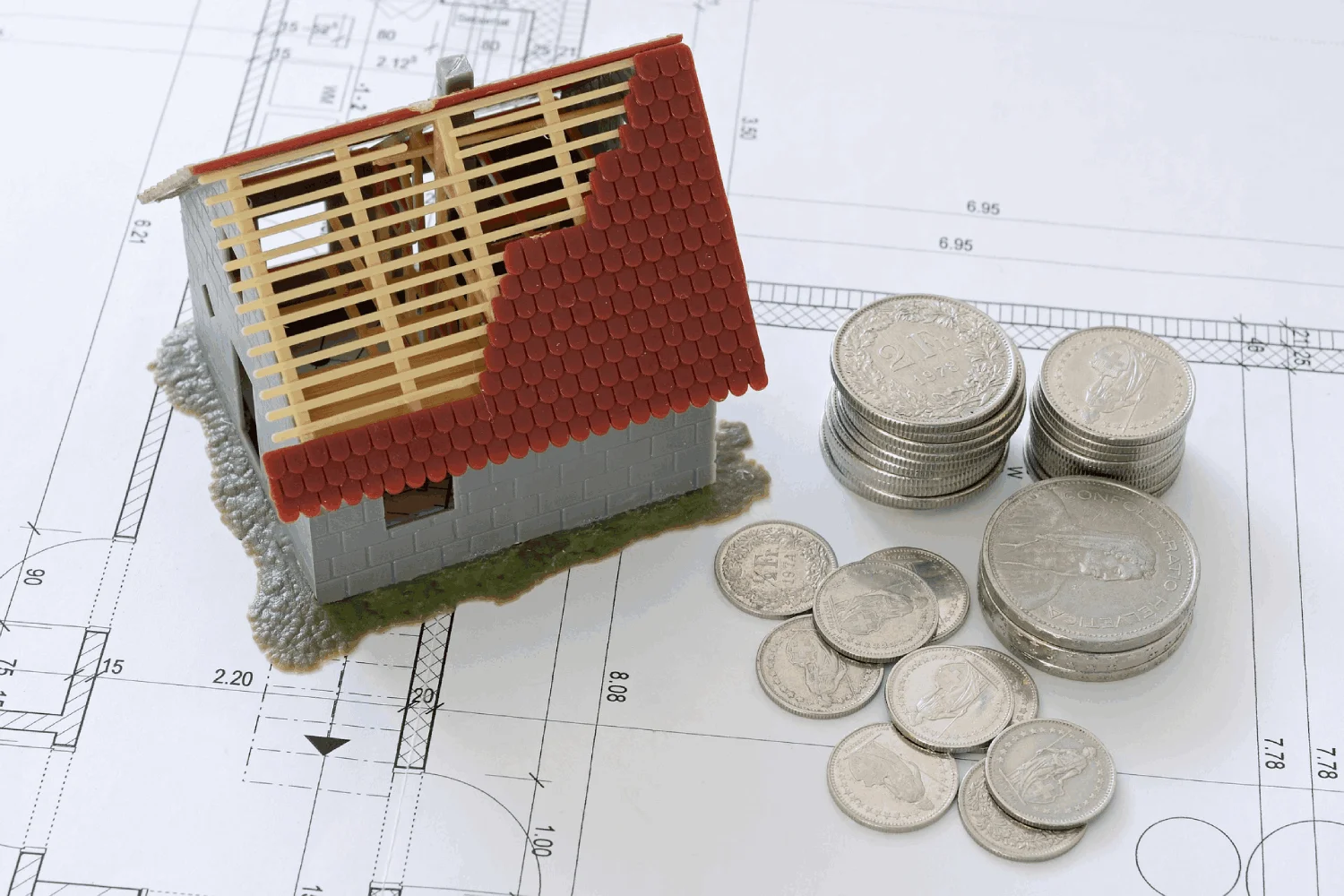
If your property’s NOI is $150,000 and its market value is $2,500,000, your Cap Rate is 6%.
This means you’re earning a 6% annual return on your investment before financing and taxes.
NOI represents the property’s total income after deducting operating expenses but before mortgage or financing costs.
It is the foundation of all income-based valuation methods, including cap rate, DSCR, and debt yield analysis.
Accurate NOI calculation ensures your cap rate reflects true operational performance.
Cap rates are shaped by market trends, financing conditions, and property-specific attributes.
Understanding these factors helps investors anticipate value shifts and make strategic decisions.
Cap rate analysis can guide both acquisition and refinance decisions.
When used with DSCR and LTV metrics, it helps determine how much financing your property can support and at what leverage levels.
REIF Loans advisors integrate cap rate data into every underwriting and refinance strategy for commercial properties.

Typically, 5%–8% is considered strong for stabilized properties, while 8%–10% may apply to value-add or higher-risk assets.
No. The cap rate measures property performance before debt service or taxes.
Yes. It applies to all income-producing properties including multifamily, office, and retail.
Cap rates adjust with market conditions, interest rates, and investor demand.
Not necessarily. Higher cap rates often indicate greater risk or weaker property fundamentals.
Evaluate your property’s yield, compare investment opportunities, and plan refinance strategies confidently with our Commercial Real Estate Cap Rate Calculator.
It’s fast, accurate, and designed for professional investors seeking smarter portfolio decisions.